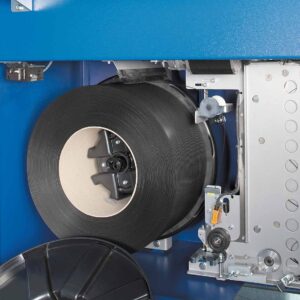
Choosing the right strapping is key to protecting your goods during transit. Use this summary to find the best material for your specific load and environment.
1. PP (Polypropylene) Strapping
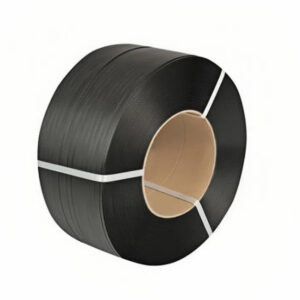
- Best for: Light to medium-duty bundling and cartons.
- Pros: Most economical, lightweight, and easy to use.
- Cons: Low strength; can stretch (creep) over time; sensitive to UV/heat.
2. PET (Polyester) Strapping
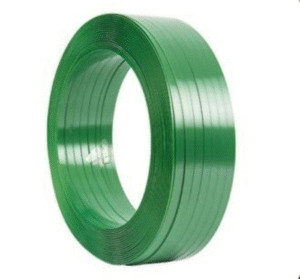
- Best for: Pallets, lumber, and heavy industrial goods.
- Pros: Strong (comparable to steel), safe, corrosion-resistant, and maintains tension well.
- Cons: Higher cost than PP; not suitable for extremely rigid or heavy loads.
3. Woven Polyester Strapping
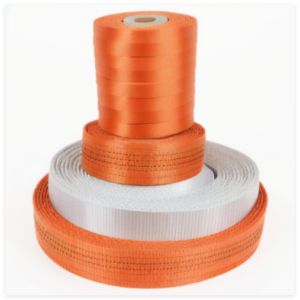
- Best for: Heavy-duty securing, crane lifting, and shipbuilding.
- Pros: Extremely high break strength, flexible, shock-absorbent, and safe for workers.
- Cons: Higher cost; cannot be heat-sealed.
4. Polyester Cord Strapping
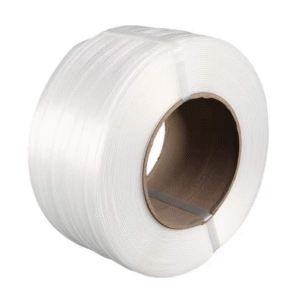
- Best for: Granite, machinery, and extreme heavy-duty transport.
- Pros: Best strength-to-weight ratio; durable against abrasion and rough edges.
- Cons: Bulky; requires specialized buckles and tools.
5. Paper Strapping
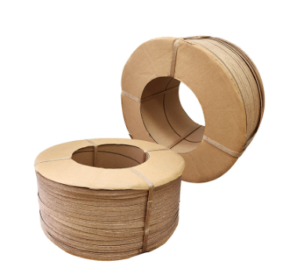
- Best for: E-commerce, books, and sustainable light-duty packaging.
- Pros: 100% recyclable, biodegradable, and gentle on product surfaces.
- Cons: Low strength; weakens significantly when wet.
6. Steel Strapping
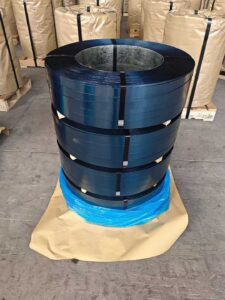
- Best for: Massive industrial loads, metal coils, and high-heat environments.
- Pros: Highest possible strength; zero stretch; heat-resistant.
- Cons: Heavy, expensive, prone to rust, and hazardous to handle.
Selection Cheat Sheet
| Load Type | Recommended Strapping |
| Light / Retail | Paper or PP |
| General Pallets | PET |
| Heavy / Abrasive | Woven Poly or Steel |
| Eco-Focused | Paper or PET |
| High Heat | Steel or PET |
Pro Tip: If your load has sharp edges or extreme weights, prioritize Woven Polyester or Steel for maximum safety and security. For everything else, PET is typically the best balance of cost and performance.